The Nature of Luck in Gambling
Luck is often perceived as a mystical force that can dramatically change the outcome of events, and this is especially true in the realm of gambling. Many players enter casinos with the belief that fortune will favor them on a particular day, hoping for a streak of good luck to tilt the odds in their favor, especially when they explore options like australia online casino that offer various games. This perception of luck can influence players’ mindsets, shaping their decisions and strategies as they navigate the unpredictable world of games like slots, poker, and roulette.
However, while luck plays a significant role in gambling, it is essential to recognize that casino games are designed with built-in odds and house edges. These mechanics ensure that over time, the house will always have an advantage. Consequently, individual outcomes can be heavily influenced by chance in the short term, but the long-term results tend to align with the mathematical probabilities established by the game’s design.
For example, in a game of blackjack, the luck of being dealt a favorable hand can lead to immediate winnings. Yet, if one were to play thousands of rounds, the house edge would become evident, revealing that luck alone isn’t a sustainable strategy. Therefore, while players might experience short bursts of good fortune, understanding the mathematical foundation behind casino games is crucial for managing expectations and developing effective wagering strategies.
Psychological Factors Affecting Luck Perception
The psychology of luck is a fascinating area that affects how players perceive their chances in a casino setting. Cognitive biases, such as the illusion of control, lead individuals to believe they can manipulate outcomes through specific behaviors or rituals. This might include wearing lucky clothing, using particular betting patterns, or avoiding certain machines. Such beliefs can enhance the gambling experience, providing players with a sense of agency, even if these superstitions have no basis in reality.
Furthermore, the social environment of casinos can amplify the perception of luck. Groups of friends celebrating a win or a dealer’s lucky streak can create an atmosphere where luck seems contagious. This phenomenon can encourage players to take risks they might not consider in isolation, often leading to more significant losses. Understanding the psychological aspects of gambling can help players strike a balance between enjoyment and realism, fostering a more responsible approach to gaming.

While players may feel lucky in certain situations, it is crucial to remember that their experiences are not universally applicable. Each player’s outcomes are independent, governed by randomness rather than a shared sense of fortune. Acknowledging this can help players develop a healthier relationship with gambling, minimizing the emotional highs and lows associated with luck and focusing instead on enjoyment and entertainment value.
The Role of Strategy and Skill in Games of Chance
In many casino games, the influence of luck can be offset by skill and strategy. A game like poker is a prime example, where a player’s ability to read opponents, manage their bankroll, and understand the nuances of betting can significantly affect their success. While luck does play a role in the cards dealt, a skilled player can leverage their understanding of the game to make decisions that enhance their chances of winning.
On the other hand, games such as slots are more dependent on luck, as they rely solely on random number generators to determine outcomes. Here, strategies are limited, and players often rely on chance to dictate their wins. However, even in these situations, understanding game mechanics, payout percentages, and volatility can guide players in choosing which games to play, helping them make more informed decisions despite the luck factor.
Ultimately, blending skill with an understanding of luck can enhance the gaming experience. Players who recognize when to employ strategic thinking and when to rely on luck can navigate the casino landscape more effectively, potentially translating their skills into more favorable outcomes. This balanced approach makes for a more engaging and grounded gambling experience, allowing players to enjoy the thrill of chance while being mindful of their strategies.
The Impact of Casino Design and Environment on Luck
Casinos are meticulously designed environments that aim to enhance the feeling of luck among players. From the layout of the gaming floors to the colors used in decor and lighting, every detail is crafted to create an atmosphere of excitement and possibility. The sounds of ringing slot machines, cheers from winning tables, and the overall ambience contribute to a belief that luck is abundant within the venue.
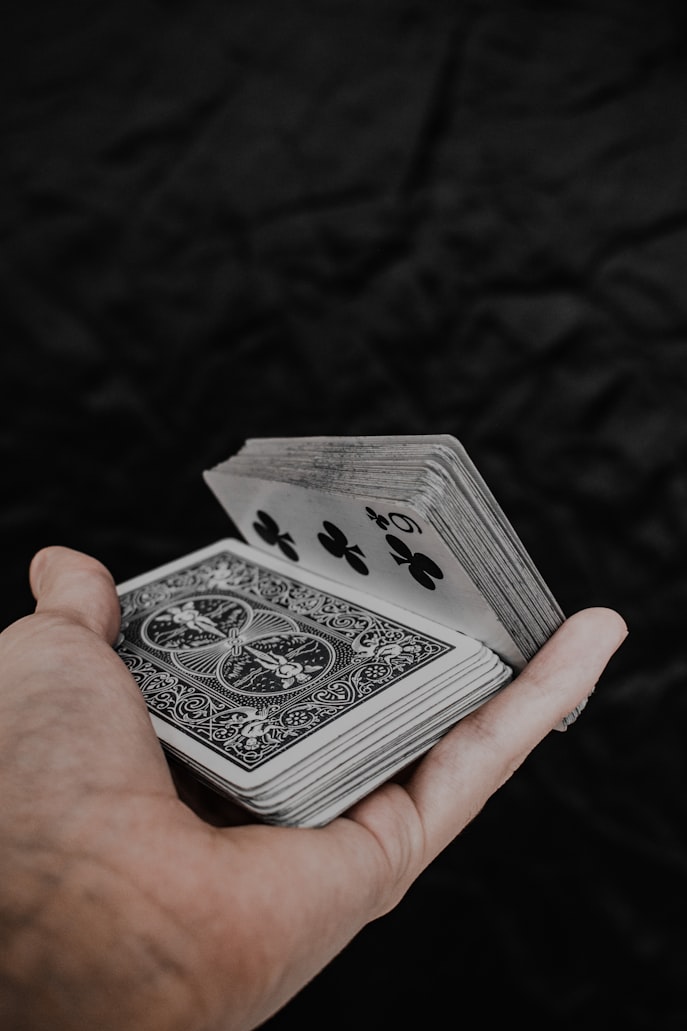
Research indicates that environmental factors can influence players’ perceptions of luck. For example, a player might feel more fortunate after a few small wins, motivating them to continue playing. This can lead to a psychological phenomenon known as the “hot hand” fallacy, where players believe they are on a winning streak, further fueling their desire to engage with various games. Understanding how casino design plays into perceptions of luck can help players remain aware of their decision-making processes and avoid potentially harmful gambling behavior.
Moreover, casinos frequently host promotional events and bonuses designed to create a sense of urgency and luck among players. These marketing strategies can heighten excitement and lead to impulsive decisions, driven by the allure of winning big. Recognizing the motivations behind these promotions can equip players with the tools they need to gamble responsibly and avoid chasing losses based on the perceived influence of luck.
Conclusion: Embracing Luck in a Balanced Way
In conclusion, the concept of luck is deeply woven into the fabric of casino gaming, with its influence varying across different games and player experiences. While luck undeniably plays a role in immediate outcomes, it is essential to remember that the long-term results are governed by the mathematical probabilities of each game. Players can enjoy the thrill of gambling by striking a balance between embracing luck and employing strategy.
By understanding the psychological aspects of luck, the impact of casino environments, and the role of skill in gaming, players can navigate the world of casinos more effectively. This knowledge can enhance their experiences, leading to more responsible gambling behaviors and greater overall enjoyment. Ultimately, the thrill of chance is part of what makes casino gaming appealing, but maintaining a realistic perspective is crucial for a sustainable gaming experience.
For anyone exploring the captivating world of casinos, it’s essential to approach gaming with a mindset that values both luck and strategy. By being informed and understanding how luck operates within this context, players can create a healthier relationship with gambling, enjoying the excitement without letting it become overwhelming. Remember, the key to a fulfilling casino experience lies in balance and moderation.